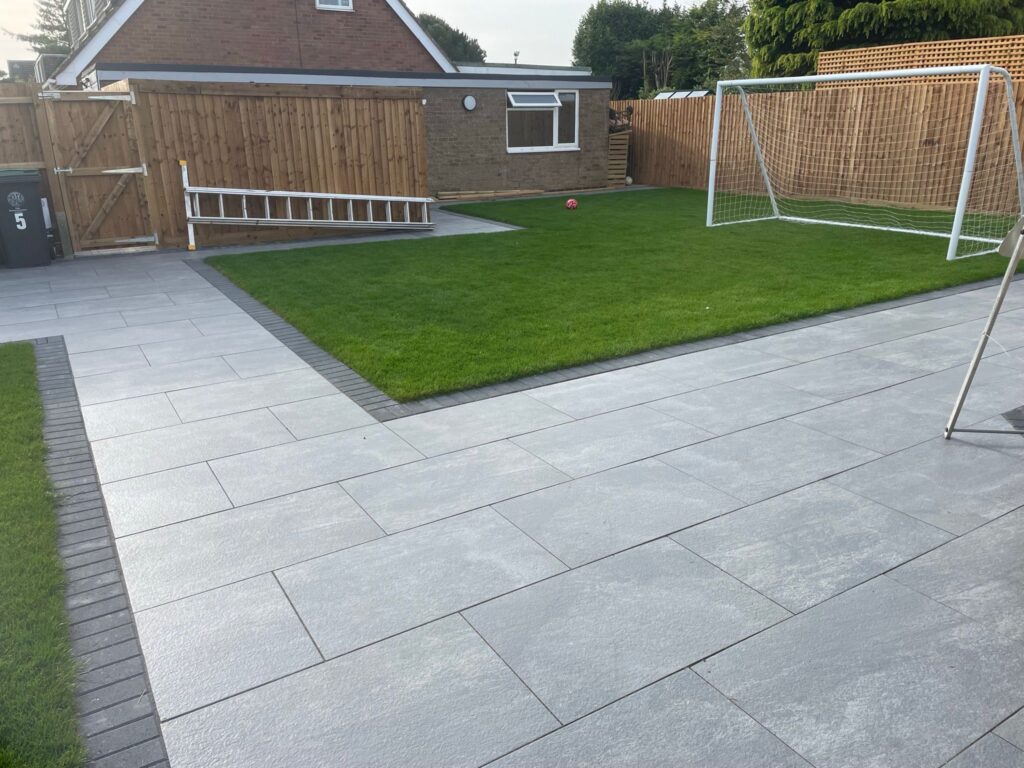
Why Is Your Block Paving Sinking? Causes, Solutions and Prevention
Sinking block paving is a common problem that can gradually affect the appearance, safety and performance of a driveway or patio. You may notice individual blocks sitting lower than others, dips developing across the surface or areas where rainwater begins to collect.
Understanding why block paving sinks is important because simply replacing the affected blocks may not address the underlying problem. For homeowners in Letchworth Garden City, Hertfordshire, identifying the cause and carrying out the right repairs can help restore a more stable and even surface.
What Causes Block Paving to Sink?
Poor Ground Preparation
One of the most common reasons for sinking paving is inadequate preparation beneath the blocks. If the ground or sub-base was not properly prepared and compacted, it can settle over time under the weight placed on the surface.
A driveway is particularly dependent on a stable foundation. If the supporting layers are weak or uneven, the paving above can eventually follow the movement of the ground.
Inadequate Sub-Base
Block paving relies on a properly constructed sub-base to distribute loads and provide stability. If the sub-base is too shallow, unsuitable for the conditions or has not been compacted correctly, sections of paving may begin to move or settle.
This can result in localised depressions that become increasingly noticeable over time.
Water Getting Beneath the Paving
Water can contribute to movement beneath block paving when drainage is poor or the supporting layers have been compromised. Persistent moisture can weaken the underlying material or wash away fine particles, leaving voids beneath the blocks.
Once support is lost, the paving can gradually sink into the affected area.
Damaged or Failed Edging
The edges of a block-paved area help keep the individual blocks securely in position. If an edge restraint becomes damaged or unstable, the surrounding blocks can begin to move sideways.
This movement may eventually create gaps and uneven sections, particularly around the perimeter of a driveway or patio.
Heavy or Repeated Loads
Block paving is designed to handle everyday use, but surfaces need to be constructed appropriately for the loads they are expected to support. Repeated heavy loading over a poorly prepared area can accelerate settlement.
If sinking is consistently occurring in one particular location, it may be worth assessing what is happening beneath that section rather than treating the paving alone.
How Can Sinking Block Paving Be Repaired?
Assessing the Underlying Problem
The first step is to establish why the paving has moved. A professional assessment can determine whether the issue is limited to a small section or whether the underlying foundation has been affected.
This helps prevent unnecessary work and allows the repair to address the actual cause.
Lifting and Reinstating the Affected Blocks
Where the blocks themselves remain in good condition, they may be carefully lifted so the supporting layers underneath can be inspected and corrected.
The affected area can then be reinstated once the underlying surface has been properly prepared and compacted.
Correcting the Sub-Base
If the sub-base is responsible for the settlement, simply relaying the blocks is unlikely to provide a lasting solution. The unsuitable material may need to be removed and replaced before the paving is reinstated.
Proper compaction is particularly important because it reduces the likelihood of further movement.
Addressing Drainage Problems
Where water is contributing to the problem, drainage should be considered as part of the repair. Identifying where water is coming from and how it is affecting the paving can help prevent the same area from sinking again.
How Can Sinking Be Prevented?
Good preparation is one of the most effective ways to reduce the risk of settlement. The ground should be properly prepared, the sub-base should be suitable for the intended use and each layer should be adequately compacted.
Correctly installed edging also helps keep the paving contained, while appropriate drainage can reduce the risk of water affecting the supporting layers.
Regularly checking the surface can also help identify early signs of movement. Small dips, widening joints or isolated loose blocks are easier to address before more extensive settlement develops.
For homeowners in Letchworth Garden City, Hertfordshire, professional installation and repair can help ensure that the entire paving structure, rather than just its visible surface, is properly considered.
Conclusion
Sinking block paving is often a sign that something beneath the surface needs attention. Poor ground preparation, an inadequate sub-base, water-related problems, failed edging and unsuitable loading can all contribute to settlement.
Repairing the visible dip without addressing the underlying cause may only provide a temporary improvement. A proper assessment can determine what needs to be corrected and whether the existing blocks can be reinstated.
If your block paving in Letchworth Garden City, Hertfordshire, is beginning to sink or become uneven, LGC Driveways & Patios can assess the affected area and discuss a suitable repair or replacement approach. Contact us to arrange an assessment.
Call us on:01462 419 193
Click here to find out more about LGC Driveways & Patios
Click here to complete our contact form and see how we can help with your driveway needs.